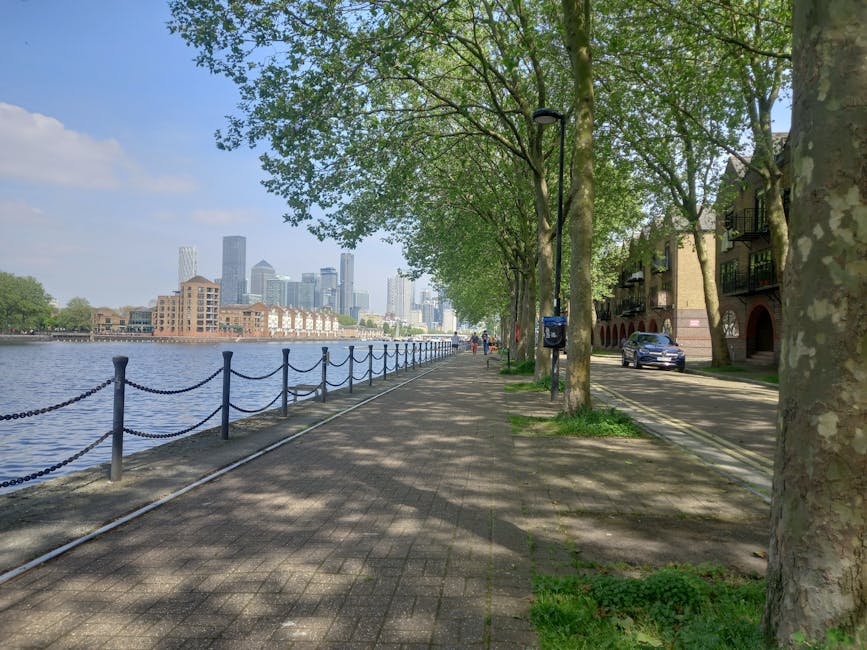
West India Quay removals insider tips for E14 moves
Moving around West India Quay sounds simple on paper. In real life, though, E14 moves can be a bit fiddly: tight access, lift bookings, loading windows, busy roads, and the usual "we'll just do it all in one trip" optimism that tends to evaporate by lunchtime. If you want West India Quay removals insider tips for E14 moves that actually help on moving day, this guide is for you.
Below you'll find practical advice on planning, packing, timing, building access, vehicle choice, and the small details that make a big difference. You'll also see where a man with van in Canary Wharf, a full removals team, or short-term storage in Canary Wharf can fit into the picture. Let's make the move calmer, cleaner, and far less chaotic than it needs to be.
Expert summary: The best E14 moves are won before the van arrives. Measure access, confirm building rules, pack by room, protect fragile items properly, and keep your schedule flexible enough to absorb the usual London curveballs.
Table of Contents
- Why West India Quay removals insider tips for E14 moves Matters
- How West India Quay removals insider tips for E14 moves Works
- Key Benefits and Practical Advantages
- Who This Is For and When It Makes Sense
- Step-by-Step Guidance
- Expert Tips for Better Results
- Common Mistakes to Avoid
- Tools, Resources and Recommendations
- Law, Compliance, Standards, or Best Practice
- Options, Methods, or Comparison Table
- Case Study or Real-World Example
- Practical Checklist
- Conclusion
- Frequently Asked Questions
Why West India Quay removals insider tips for E14 moves Matters
West India Quay sits in a part of London where residential towers, dockside roads, commuters, and service access all overlap. That creates a very specific moving environment. You are not usually dealing with a simple driveway pickup. More often, you're working around concierge desks, lift reservations, parking restrictions, and narrow time slots that can change the whole rhythm of the move.
That is why local removals knowledge matters. The difference between a smooth E14 move and a stressful one is often not the distance travelled. It is the planning around the building, the van, and the timing. A few small mistakes can turn a three-hour job into an all-day slog. And, to be fair, nobody wants to carry a sofa through a lobby twice because the lift booking was missed.
There is also a trust element. When you book removals in Canary Wharf, you want someone who understands the local flow: how quickly loading bays fill, which items need extra care, and how to avoid bottlenecks around busy periods. That local awareness is often what people mean when they ask for insider tips. It's not a trick. It's experience.
In a place like E14, where flats can be compact and access can be structured, preparation saves both money and energy. It also protects the things you care about. The less time the crew spends improvising on the pavement, the better.
How West India Quay removals insider tips for E14 moves Works
A successful West India Quay move usually follows a simple chain: survey the space, plan the access, pack the items, load safely, move efficiently, and unload in the right order. The details sit inside each stage. That's where good planning does the heavy lifting, pardon the pun.
Start with access. Can a van stop close enough to the entrance? Is there a concierge or building manager to coordinate with? Are there lift dimensions to note? If your move includes heavier pieces, it helps to book help that understands furniture removals in Canary Wharf rather than treating everything as a generic box-and-bag job. A wardrobe does not care about your optimism. It still needs turning space.
Next comes packing. Smart packing means grouping items by room, labelling clearly, and separating fragile things from the last-minute pile of random cables and mystery chargers. If you prefer to let someone else handle the wrapping and stacking, services such as packing and boxes in Canary Wharf are worth considering, especially if you are juggling work, family, or a short completion window.
Finally, the delivery side matters as much as the pickup. If your building only allows unloading at certain times, a flexible delivery slot is a real advantage. You can see how that fits with delivery at the best time for you, which is exactly the sort of practical coordination E14 moves tend to need.
Key Benefits and Practical Advantages
Good E14 removals planning does more than reduce stress. It changes the whole shape of the day.
- Less wasted time: when access, parking, and packing are sorted, the team can work in a straight line instead of stopping and starting.
- Lower risk of damage: well-packed items and proper handling reduce knocks, scrapes, and the sort of "that was fine yesterday" disappointment nobody wants.
- Better use of manpower: if you have the right van and crew size, you avoid paying for unnecessary waiting or repeat journeys.
- More predictable scheduling: this matters in West India Quay, where building rules can be stricter than people expect.
- Less physical strain: moving heavy items through shared spaces is tiring. A sensible plan protects your back and your patience.
One practical advantage often overlooked is how local knowledge helps with judgement calls. For example, a crew familiar with house removals in Canary Wharf will usually know when a smaller vehicle makes more sense than a larger one, or when a second run is cheaper than overloading the first trip. That sort of decision sounds small until you are standing outside with a sofa, two boxes of plates, and a time limit.
There is also peace of mind. You know what is coming next. And in a move, that counts for a lot.
Who This Is For and When It Makes Sense
This kind of local moving advice is useful if you live in, work in, or are moving into the West India Quay and wider E14 area. It suits people in apartments, waterfront developments, converted flats, and office buildings where access is controlled or shared.
It also makes sense for:
- tenants moving in or out of a flat with a tight handover window
- owners coordinating with an estate agent or property manager
- professionals relocating close to Canary Wharf for work
- students and renters who need a compact, efficient move
- small offices or home workers shifting equipment, chairs, and archive boxes
If your move is straightforward and you only have a few bags, a lighter service may be enough. If you need more structure, more care, or a team used to flat removals in Canary Wharf, it usually pays to plan more carefully from the outset.
There's a simple way to judge it: if you are already worried about lift bookings, parking, or tight deadlines, then insider tips are not optional. They are the bit that keeps the day from wobbling.
Step-by-Step Guidance
1. Confirm access before you pack a single box
Call the building office, concierge, or landlord and ask about parking, lift use, entry times, and any restrictions on moving large items. Write everything down. Do not rely on memory. Moving day has a funny way of chewing that up.
2. Measure your larger items and doorways
Sofas, beds, wardrobes, mirrors, and appliances need a reality check. Measure the item, the lift, the corridor turns, and the front door. If something looks tight on paper, it will feel tighter in person. A five-minute measurement can save an hour of wrangling.
3. Pack room by room
Keep each room's items together and label boxes clearly. A box marked "kitchen: glass" is useful. A box marked "misc" is not. Truth be told, "misc" is where moves go to die.
4. Separate essentials for first-night access
Keep documents, chargers, kettle, toiletries, medication, and one change of clothes in a bag you can reach quickly. If you have ever been digging for a toothbrush at 11 p.m. while standing in a half-unpacked flat, you will understand why this matters.
5. Choose the right vehicle and service level
Some E14 moves only need a compact van and a couple of careful handlers. Others are better suited to fuller removal services in Canary Wharf. Think in terms of volume, access, and time, not just the headline price.
6. Protect fragile and valuable items properly
Wrap mirrors, lamps, glassware, and electronics with enough padding. If you own anything unusually awkward or sentimental, consider specialist handling rather than trying to make do. It's rarely worth the stress.
7. Unload with the new layout in mind
Place furniture where it belongs as you go if possible. If not, at least keep room labels visible so boxes land in the right place. The less you reshuffle later, the better.
Expert Tips for Better Results
Here are the small, practical things that often make the biggest difference in West India Quay removals.
- Book the move earlier in the day if you can. The first slot often brings fewer delays and less building traffic. Late starts can work, but they need tighter discipline.
- Keep a photo of your access route. A quick picture of the entrance, loading point, or lift lobby can be surprisingly useful when briefing the crew.
- Use uniform box sizes where possible. They stack better, waste less van space, and make loading much smoother.
- Don't overfill boxes with books. It sounds obvious. People still do it. Then they regret it by the second flight of stairs.
- Set aside disassembly time. Beds, tables, and shelving often take longer than expected. A screwdriver is not a plan, just a start.
- Have one person act as the point of contact. Too many instructions from too many people slows everything down. One voice. Much better.
There is a nice rhythm to a well-run move. Boxes flow, furniture follows, and nobody is arguing over whose charger cable is whose. Small win, but still a win.
If you are moving on a tight deadline, local flexibility can help. same-day removals in Canary Wharf can be a practical fallback when plans shift, though it always helps to book ahead if you can. Last-minute moves are possible; calm last-minute moves are rarer.
Common Mistakes to Avoid
Most moving problems are preventable. The recurring mistakes are usually predictable, which is slightly annoying, but at least that means they can be avoided.
- Ignoring building rules: if the concierge says the lift is booked, treat that as a real constraint, not a suggestion.
- Leaving packing to the night before: that is how labels disappear and stress multiplies.
- Choosing the wrong van size: too small means extra trips; too large can create access headaches or wasted cost.
- Forgetting to protect floors and corners: especially in polished lobbies, a little care goes a long way.
- Not checking insurance: you should know what is covered and what is not, especially for items of value.
- Assuming every item can be lifted by one person: some things need two people, full stop.
A subtle but important mistake is packing the "important" things too well. By that I mean, people seal away passports, keys, pet supplies, and medication in a labelled box and then forget which box that was. Keep the key essentials with you. Easy rule, much better outcome.
And please, if you have a piano, treat it as a piano. Not "a heavy cabinet with feelings." Use proper help for that kind of item.
Tools, Resources and Recommendations
You do not need fancy kit for a good move, but a few simple tools make life easier.
- strong double-walled boxes for books and kitchenware
- packing tape and a decent tape dispenser
- marker pens for room labels and fragile markings
- bubble wrap or paper for fragile items
- blankets and covers for furniture protection
- zip bags for screws, brackets, and small fittings
- a torch for dim hallways, storage units, or late unloading
If you want a better sense of the wider service picture, the services overview is a useful place to compare the types of help available before you commit. That is often where people realise they need more than just a van.
For customers weighing up value and budget, pricing and quotes can help you think more clearly about what you are actually paying for: labour, time, access, mileage, packing support, or a combination of all four. That clarity is worth more than a vague cheap price. Usually.
If you are moving with bulky household items, house removals in Canary Wharf may be the better route. If it is mostly sofas, cabinets, and dining furniture, you might prefer a dedicated man and van in Canary Wharf approach instead. Different jobs, different tools.
Law, Compliance, Standards, or Best Practice
For E14 removals, the legal and compliance side is mostly about sensible UK moving practice. You should always be careful about parking restrictions, access permissions, and building rules. In some cases, you may need a permit, a loading bay booking, or written approval from a building manager. The exact requirements depend on the property and local arrangements, so it is best to confirm before moving day.
Safety matters too. Good removal teams should work with appropriate manual handling practices, use equipment correctly, and protect both people and property. If you are handling the move yourself, pace yourself and avoid lifting anything awkward alone. A back strain is a miserable way to start in a new flat.
Insurance is another area worth checking. Ask what protection is included, what the exclusions are, and how claims are handled if anything goes wrong. If you want a clearer view of this side of the process, insurance and safety is a sensible reference point.
There are also basic professional expectations that good movers should meet: polite handling of property, clear communication, reasonable punctuality, and transparent terms. If something is unclear, ask. That is not being difficult. That is being careful.
For any service-related question about policies, expectations, or next steps, contact the team directly rather than guessing. That saves a lot of back-and-forth later on.
Options, Methods, or Comparison Table
There is no single best moving method for every E14 move. The right choice depends on volume, budget, access, and how much time you want to spend doing the heavy lifting yourself.
| Option | Best for | Pros | Trade-offs |
|---|---|---|---|
| Man and van | Small to medium moves, flexible jobs | Quick, often cost-effective, easy to adapt | May need more help if access is awkward or there are bulky items |
| Full removals team | Larger homes, more furniture, more fragile items | Less physical effort, better for complex moves | Usually costs more than a basic van-only option |
| Same-day removals | Urgent or changing plans | Fast response, good for last-minute situations | Less room for detailed preparation |
| Storage plus removals | Completion gaps, renovations, temporary relocations | Flexible timing, useful when dates do not line up | Extra coordination and storage cost to factor in |
For many West India Quay flats, the sweet spot is a flexible van service with enough manpower to handle stairs, lifts, and furniture safely. If the move includes specialist items, you may need a more tailored approach. For example, a piano is not something you should treat as a "normal heavy box" job, no matter how persuasive your optimism is on the day.
Case Study or Real-World Example
Picture a typical West India Quay move: a one-bedroom flat, a few larger pieces of furniture, a box-heavy kitchen, and a completion deadline that has already moved once. The resident has packed most things well, but the building has a booked lift, limited loading space, and a concierge who needs exact timings.
In this kind of move, the best outcome usually comes from three things. First, the access details are checked early. Second, the boxes are labelled by room, with fragile items kept separate. Third, the vehicle arrives in a slot that matches the building's rules. Nothing dramatic. Just disciplined planning.
What makes the difference on the day is often the order of operations. The crew loads furniture first, then heavier boxes, then lighter fragile items last. The customer keeps essentials in a separate bag and walks the new place before unloading starts, so boxes go straight to the right rooms. A small thing, but it saves so much faffing around later.
That move finishes on time, with fewer scratches and no one feeling wrung out by mid-afternoon. Not perfect, probably. But decent, calm, and very manageable. That is what a good E14 move should feel like.
Practical Checklist
Use this quick checklist in the days before moving.
- Confirm your move date and access times
- Check lift bookings and loading permissions
- Measure large furniture and doorways
- Book parking or loading arrangements if needed
- Source sturdy boxes and packing materials
- Label boxes by room and priority
- Pack an essentials bag for day one
- Protect fragile items and awkward shapes
- Disassemble furniture that can be safely taken apart
- Keep documents, keys, chargers, and medication with you
- Confirm insurance and service details
- Share building instructions with the moving team
Quick reality check: if you cannot clearly explain how the move will happen in one minute, it probably needs another planning pass. That is not a bad thing. It is just a useful sign.
Conclusion
West India Quay removals insider tips for E14 moves really come down to one idea: the move is won in the details. Access, timing, packing, and the right level of help all matter more than people expect at first. Once you account for the realities of Canary Wharf buildings, the whole job gets easier to control.
Whether you need a smaller van, a fuller team, or a bit of short-term storage, the smartest move is the one that fits your building, your schedule, and your belongings. Keep it practical, keep it organised, and give yourself enough breathing room to handle the usual London surprises. There are always a few, aren't there?
If you want help shaping the move around your building rules, timing, and access needs, take the next step with the details in front of you rather than leaving it to chance. A good plan now saves a lot of dragging, waiting, and muttering later.
Get a free quote today and see how much you can save.
Frequently Asked Questions
What makes West India Quay moves different from other E14 removals?
West India Quay moves often involve apartment access, lift bookings, loading restrictions, and busy shared spaces. That combination makes planning more important than on a simple street-level move.
Do I need to book the building lift before moving day?
Usually, yes. Many buildings in the area expect lift reservations for removals. It is best to check with the concierge or building manager well in advance.
Is a man and van service enough for a flat move in West India Quay?
Sometimes it is. If you have a small-to-medium load and straightforward access, it can be a good fit. If you have larger furniture or more complex access, you may need a fuller removals setup.
How far in advance should I organise my move?
As early as possible. The more notice you give yourself, the easier it is to coordinate access, packing, and any extra services you may need.
What should I pack separately for moving day?
Keep essentials like keys, chargers, medication, toiletries, important documents, and a change of clothes separate from the main boxes.
How do I know what van size I need?
Think about the volume of furniture, number of boxes, and the size of your larger items. If you are unsure, ask for guidance rather than guessing. Guessing is how people end up with two trips and a sore shoulder.
Are fragile items safe in a normal removals move?
Yes, if they are packed properly and handled with care. Use suitable padding, label them clearly, and keep especially delicate items separate.
Can I move on the same day if my plans change?
Sometimes, yes. Same-day options can work for urgent situations, but availability depends on the schedule and the size of the job.
What should I check about insurance before booking?
Ask what is covered, what is excluded, and how any claims are handled. It is better to know upfront than to find out after something has gone wrong.
Should I dismantle my furniture before the movers arrive?
If it can be done safely and within your skill level, yes. Beds, tables, and shelving often move more easily when partially dismantled.
What if I need to store items between addresses?
Short-term storage is a practical option when dates do not line up or when you are waiting for keys, completion, or access to your new place.
How can I make the unloading process faster?
Label boxes by room, clear the path inside the property, and make sure someone is available to direct items as they come in. A little direction saves a lot of wandering about.
Can I ask for help with packing as well as moving?
Yes. If you are short on time or want more protection for breakables, packing support can make the whole process far more manageable.
Who should I contact if I have a specific question about my move?
If the question is about access, timing, or service details, it is best to speak directly with the provider so you can get a clear answer rather than relying on assumptions.